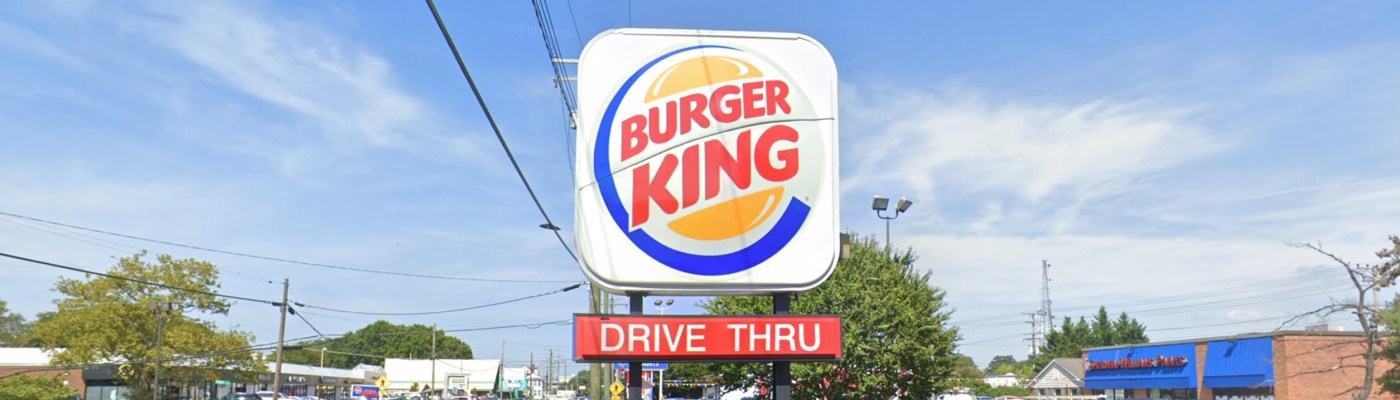
Now that the fire of O-6-24 – City-wide Prohibition on New Drive-through Windows has abated with its passing by the city council (6-3) on December 9, 2024, it’s time to share my opinions publicly without any possibility of conflict of interest.
Before I share my opinions on drive thrus (or it is drive-thru or drive through or drive-through??) in general and in this local context, I have to cover a bit of inside baseball on my role in this legislation as an Annapolis Planning Commission member because it is very personal to me and this is my chance to set the record straight for my own edification; this is my soapbox after all.
The Annapolis Planning Commission does not make law (e.g. zoning code), that is the purview of the City Council, the legislative body. Our role vis-a-vis legislation is to advise the City Council; we hold public hearings, deliberate and make recommendations. They can do with those as they will and while recommendations do have some gravitas they often don’t follow them, as is their right. I make this statement only because what we say about legislation does not carry the weight of law, unlike other decisions we make that do and as such have a higher standard with respect to ex parte communications as defined by the Maryland Open Meetings Act.
When this legislation was initially introduced in March 2024, there was a Facebook post about it in a local group. For reasons which will be evident in the rest of this piece, I responded – perhaps too enthusiastically – that we can finally be rid of this kind of development pattern going forward that has caused so much devaluation in parts of our city. I can’t remember exactly what I wrote (and do not have access to that group anymore) so this might be a little revisionist history, but that’s the gist of it.
A vigorous discussion ensued and quickly went downhill as it often does on social media. I am happy and fully prepared to go head to head with anyone that has different opinions than I, as long as it stays on topic on the merits of the issue. This discussion was not that and degenerated into something very personal: calling me an elitist and impugning my integrity. I won’t comment on that and you can decide for yourself, but it’s not relevant to the merits or lack thereof of drive thru infrastructure. After expressing an opinion on the matter that was eventually to come before us, a complaint was filed against me to the city requesting that I recuse myself from this issue.
While I don’t believe I acted contrary to our rules of procedure – there are two different versions published on the city website (which continues to annoy me and I have been unsuccessful in correcting) – depending on which one is considered, one could make an argument I should recuse myself. As a result of that confusion in the posted documents, I did in fact recuse myself just to put the issue to rest. The Commission did ultimately recommend adopting the legislation to ban drive thrus sans my participation.
Now that this is off my chest, on to the heart of the issue: where do I stand on banning drive thru establishments and why?
At a fundamental level, drive thus are both simultaneously a user convenience and incongruous to a traditional, people forward, and productive city development pattern. Ultimately what it boils down to is drive thus are a compromise between motorist convenience and a people first environment. One of the best arguments made for them is accessibility. I am sympathetic to the disability access argument because there are several very valid cases for people driving. However, human nature being what it is, able bodied people will virtually always choose convenience in the short term over long term externalities, especially if they are already living a heavily auto centric lifestyle.
The many externalities of this motorist convenience are they are a bad financial deal for cities, are traffic nightmares, are pedestrian nightmares, and just aren’t necessary and the needs they meet can be met in other ways. Rather than rehash all of these arguments here, Strong Towns has already done that:
https://www.strongtowns.org/journal/2020/9/21/no-we-still-dont-need-drive-throughs
so go read that article if you are not familiar with these externalities and come back and read the rest.
If they are allowed, people will use them with the typical results enumerated in that article, that’s a given and it essentially becomes a kind of tragedy of the commons – especially for people who don’t drive – of which there are a lot of in Annapolis, a kind of reverse discrimination. These externalities are contrary to the recently approved Comprehensive Plan (which we spent years working on with city staff) and the Annapolis code and process to approve drive thrus neither reveals all of the negative consequences nor does it do a good job at adjudicating them. The staff report acknowledges that not all drive thrus are the same – ”Some drive-through facilities may very much fit into the City’s fabric through the decades ahead, while other may not.” – but our code can’t distinguish whether “this is good” or “this is not good” with respect to the goals in the Comprehensive Plan.
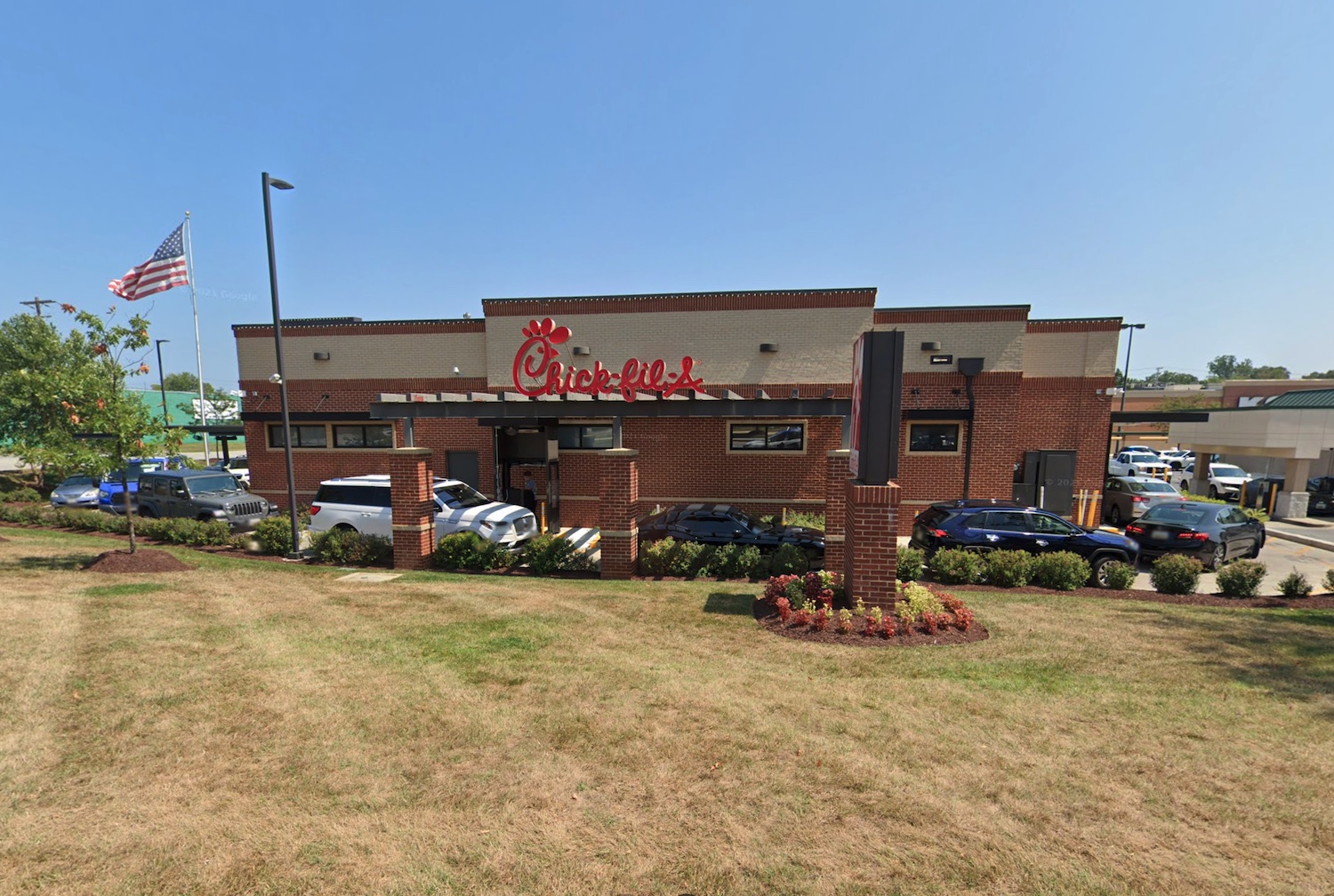
The article above does a good job at addressing this accessibility issue:
There are a lot of ways to meet these needs, when we start to get creative. Establishments are doing creative things with take-out windows, or similar makeshift solutions such as putting a table at your restaurant or coffee shop’s front door and letting it serve as the take-out station. Curbside pickup is now common at many stores, so that you can wait for your order in a nearby parking space without leaving your vehicle (or unbuckling that car seat). In an urban environment where many businesses do not have their own parking lots, I would extend this and say an employee will deliver your order anywhere within a couple blocks of the restaurant. You could wait on a park bench if you want! Delivery within a very localized area can easily employ technologies such as bikes, scooters, or even (let’s take a page out of famously car-centric fast-food chain Sonic’s book here) roller skates to speed up the process.
In fact places in Annapolis did exactly this during the COVID-19 Pandemic. This creativity requires effort and an appreciation for local context, something you will never get from a national chain.
As to what our code says about drive thrus, you could drive a truck thru (sorry couldn’t resist the pun) our standards for this use:
- A site design plan for the use is required.
- Drive-through windows are only permitted upon the preparation and approval of a traffic-impact study and the mitigation of identified impacts.
- Sufficient stacking room for vehicles waiting to enter the drive-thru shall be provided as determined appropriate through the site design review process.
- Drive-thru windows shall only be located on the side or rear façade of a building.
- The location of drive-thru facilities shall not negatively impact pedestrian circulation.
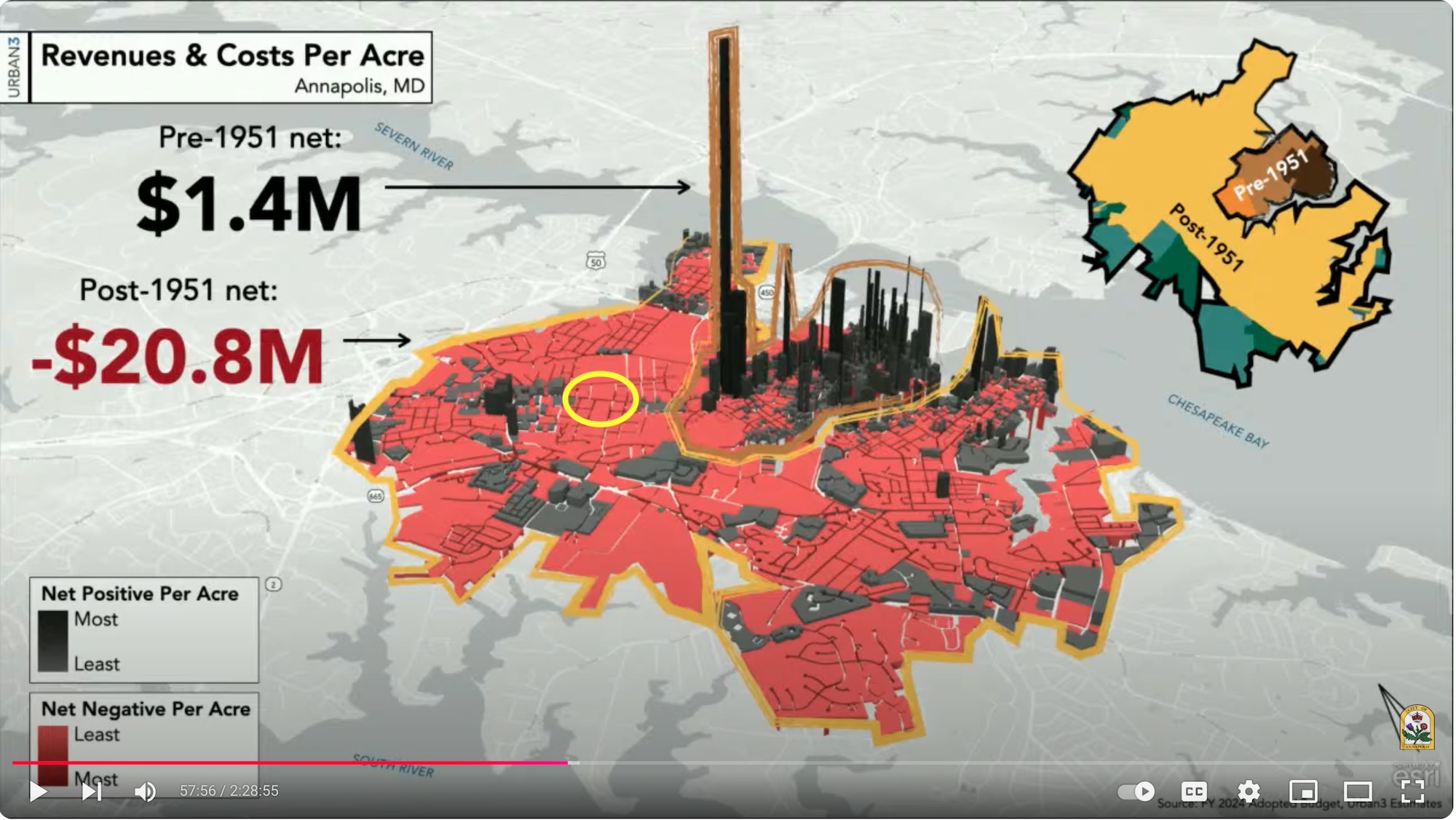
The standards – a traffic study, larger lot, major site plan – very much favor well capitalized projects that are likely to be high profit producing and not locally owned. As noted in the staff report, typically chain fast food restaurants (an extractive industry). Other standards are so squishy, almost any argument using modern traffic engineering arguments could satisfy them, but again this results in an auto oriented development pattern. That is not what is put forth in the Comprehensive Plan and ultimately devalues the surrounding land, just look at upper West Street an argument I made a long time ago in my Ignite Talk and was explicitly highlighted in a study Urban3 did on the development pattern productivity in Annapolis.
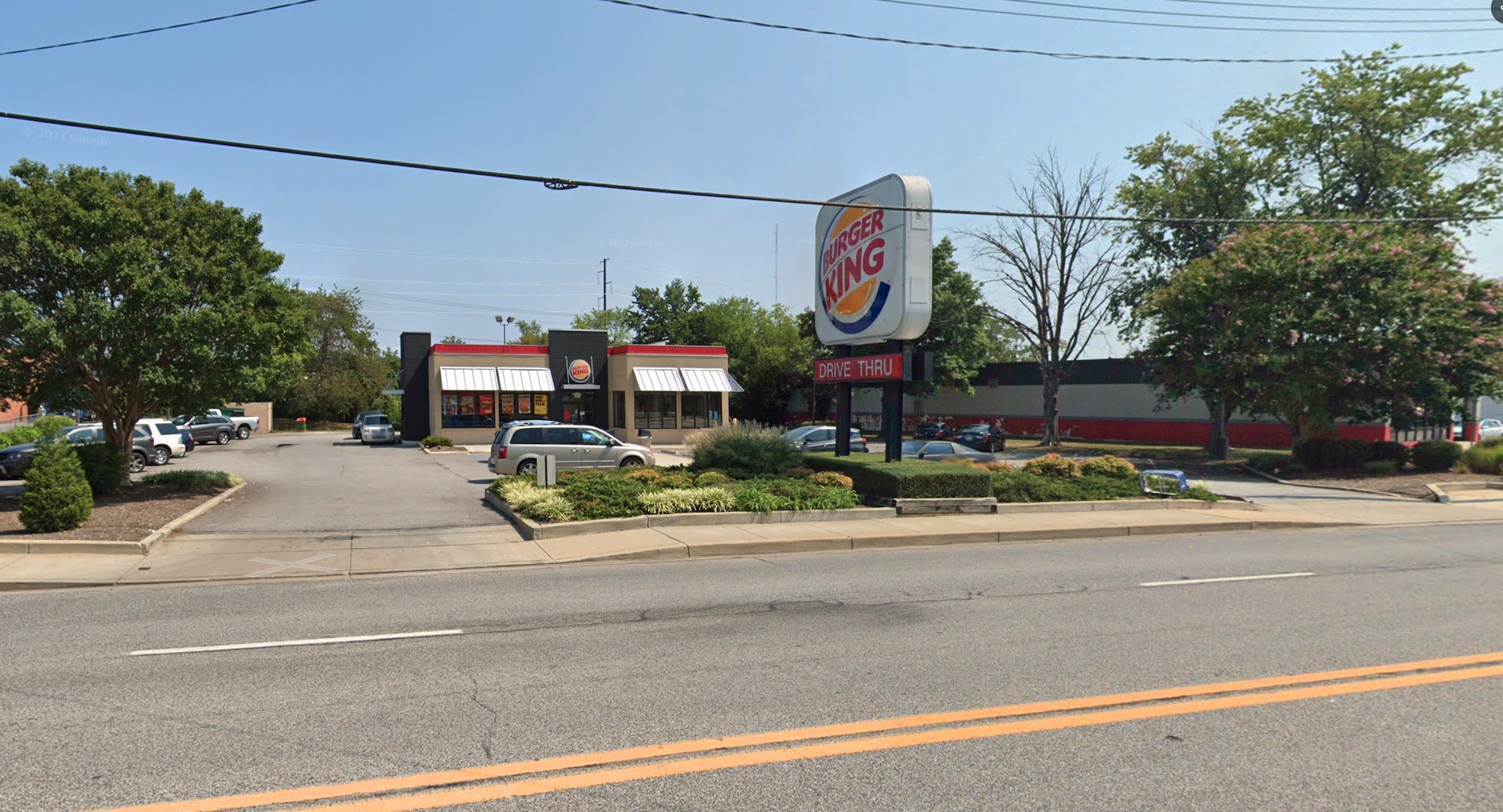
I gave some examples in the testimony I provided as a private citizen (below). Those examples require a lot of sensitivity from our planning and zoning staff to implement but they don’t always have the time, bandwidth or frankly desire to do so. While it is technically possible to produce a drive thru that fits within a people forward context – the staff report notes the old BB&T bank on 6th St in Eastport as an example – this is by far the exception, and one of the only like it in the region. What is more the norm is a typical site plan template for chain fast food restaurants and those establishments are almost never willing to alter their standard templates. A recent example is the Taco Bell on West St. (and the proposed Taco Bell in the Giant plaza on Bay Ridge). It checks many boxes for all of the requirements, but ultimately is the same thing you would see at any highway interchange, definitely not the same context and not what Annapolis is about.
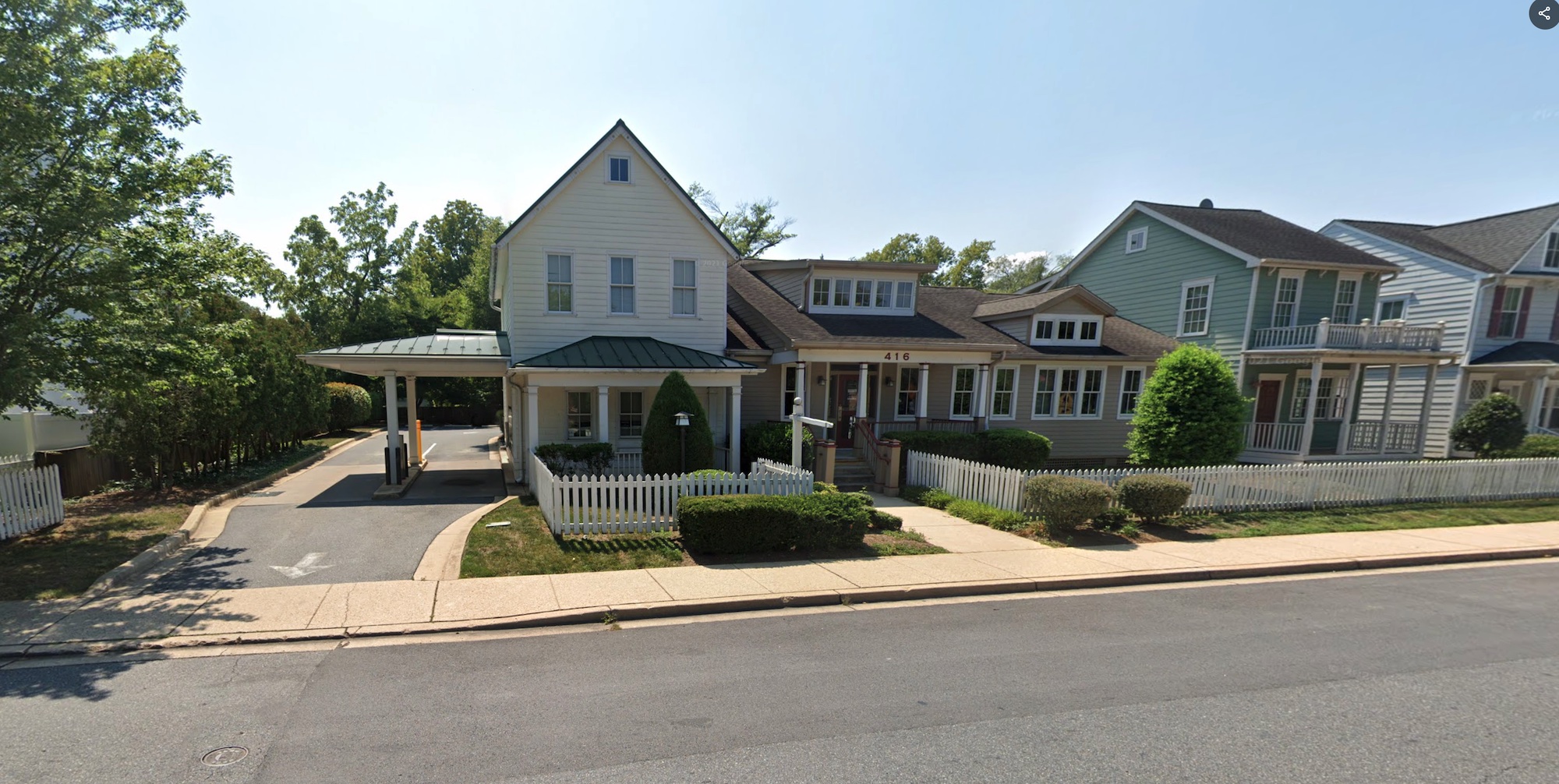
Sure we could attempt to create specific code that attempts to produce what is envisioned, but I am skeptical of adding more regulation to our already byzantine zoning code (as I mentioned in the ignite talk) that has 30+ zoning districts for a city of eight square miles all with different requirements and standards. For whatever reason, our city government is historically very fond of complicated and often conflicting code changes (such as conflating minimum parking and outdoor dining, a subject for an upcoming post) and codifying how a drive thru could work in a people forward environment is probably a lost cause until we adopt a form based code (hopefully in the future). Ultimately, if we are to avoid the traps associated with this kind of infrastructure that has huge inertial forces behind it, the only way to deal with it is to bluntly ban it. Thankfully, there were six of nine on the City Council who hold this opinion.
As I said at the end of my testimony, let that kind of development go to the county where it is more contextually appropriate since much of the county is very auto oriented.
 Team Pline